A Journey into the Future · Chapter 2 of 7
Time Machine 2017
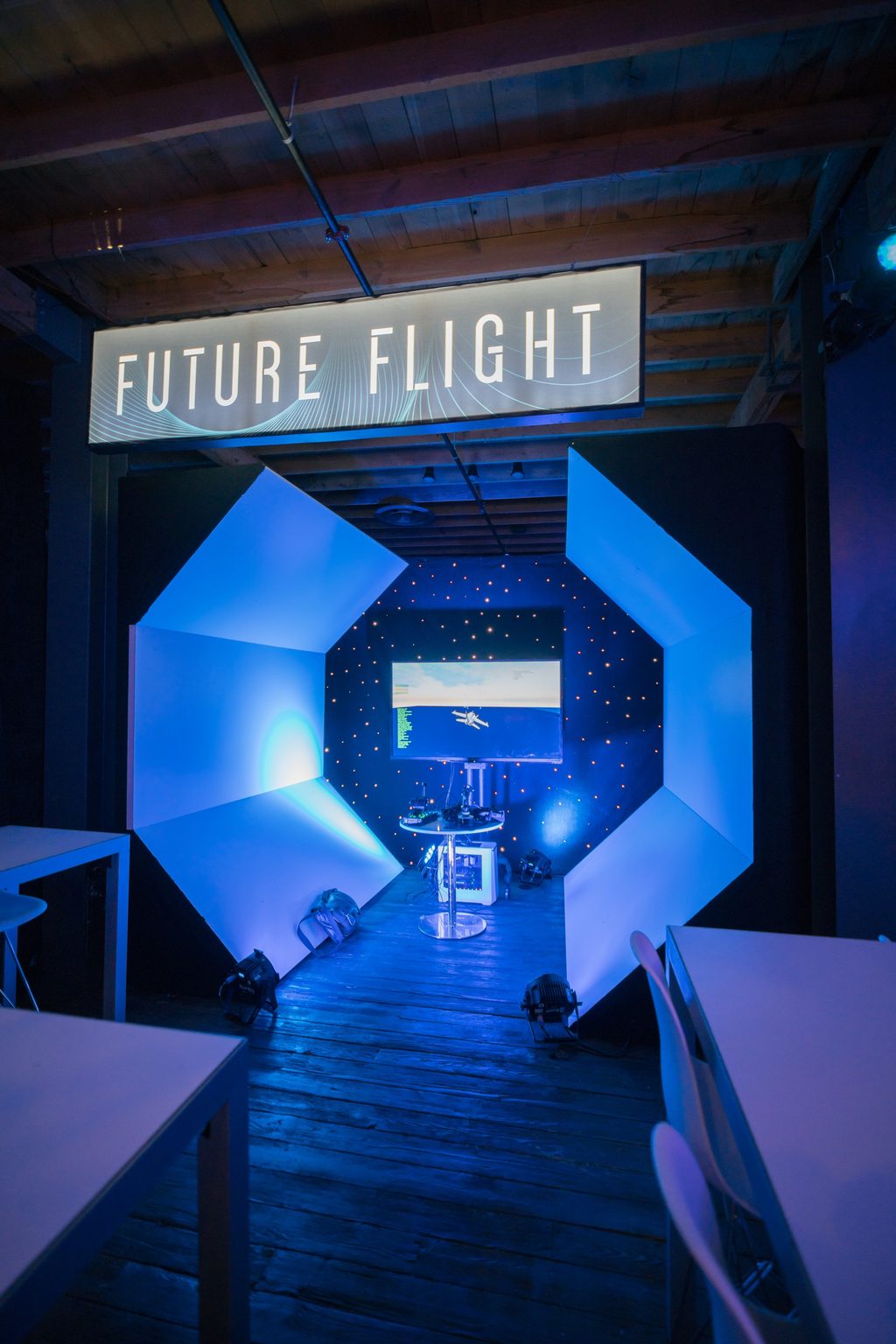
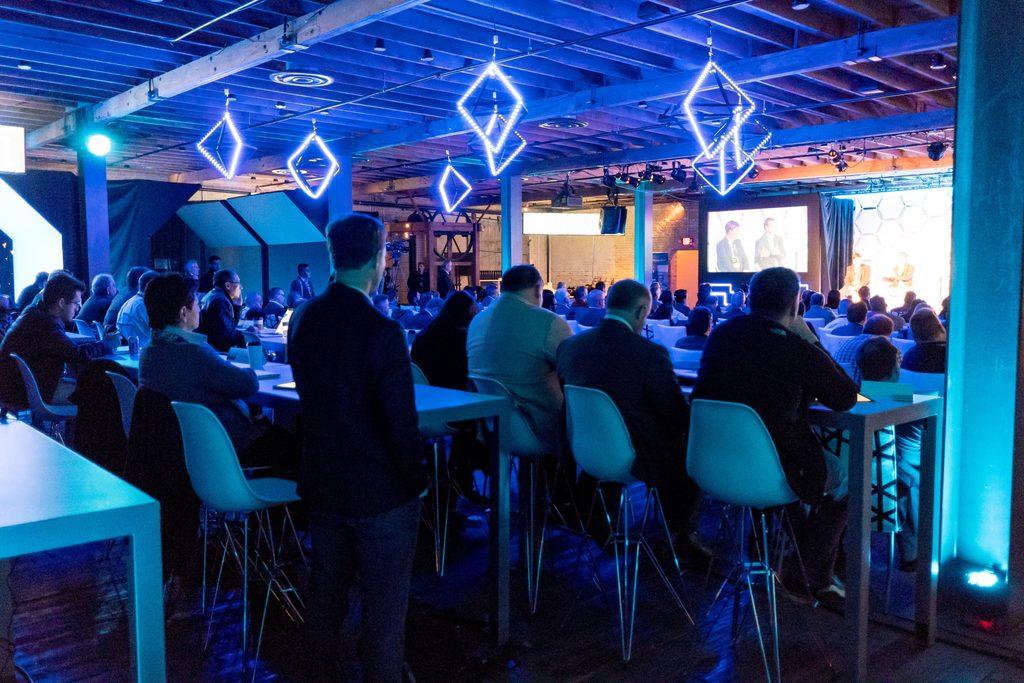
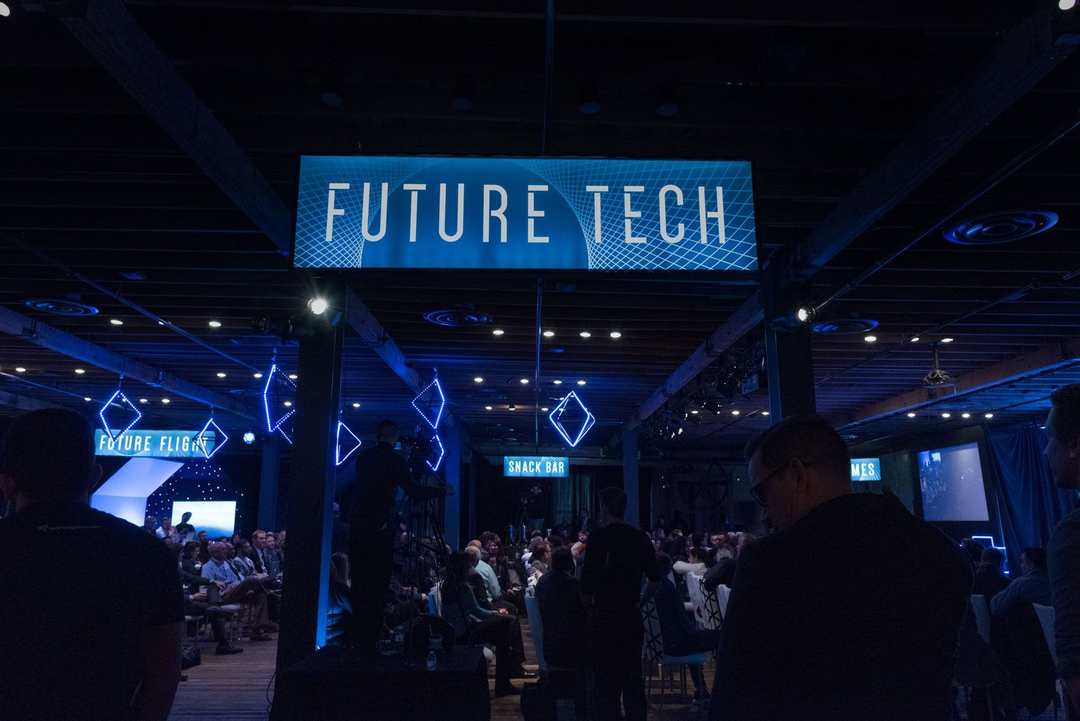
The main hall at SparkCognition’s first Time Machine, held in Austin, Texas on December 13 and 14, 2017.
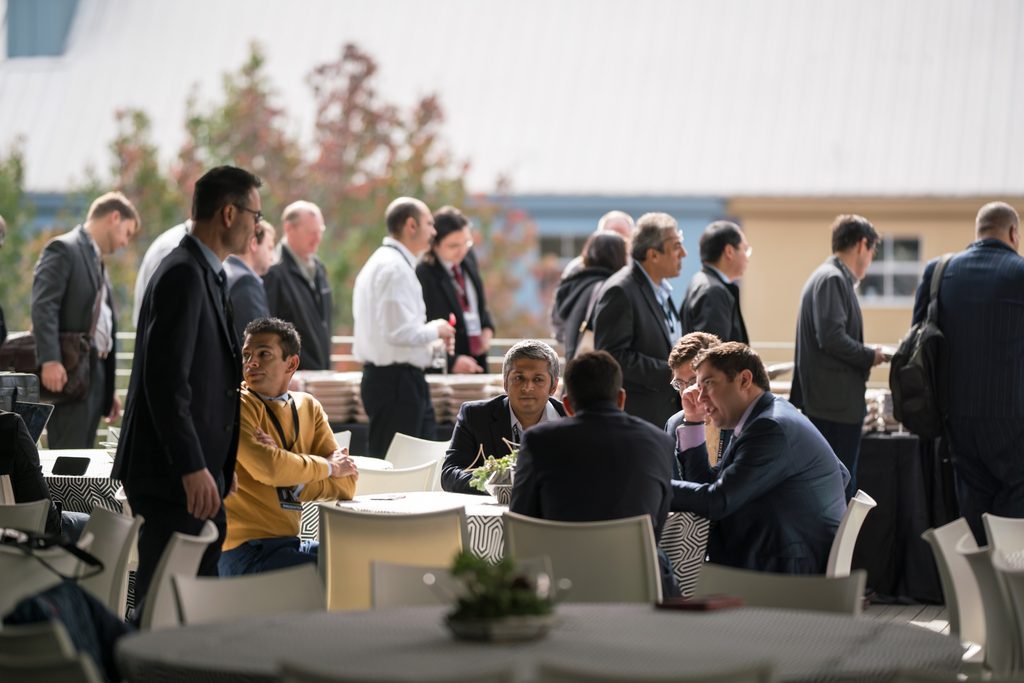
SparkCognition’s very first Time Machine 2017 conference brought together some of the most brilliant minds in Artificial Intelligence (AI) and technology. The event, held in Austin, Texas, showcased cutting-edge advancements and fostered discussions on AI applications in various industries, including aviation, finance, and even music.
The two-day summit saw top entrepreneurs, researchers, technologists, and creative leaders sharing their insights on the current state of AI and its future impact on both industry and society. Time Machine 2017 was a great success, and the riveting discussions that took place at the event convinced us that we had to keep this very special event going!
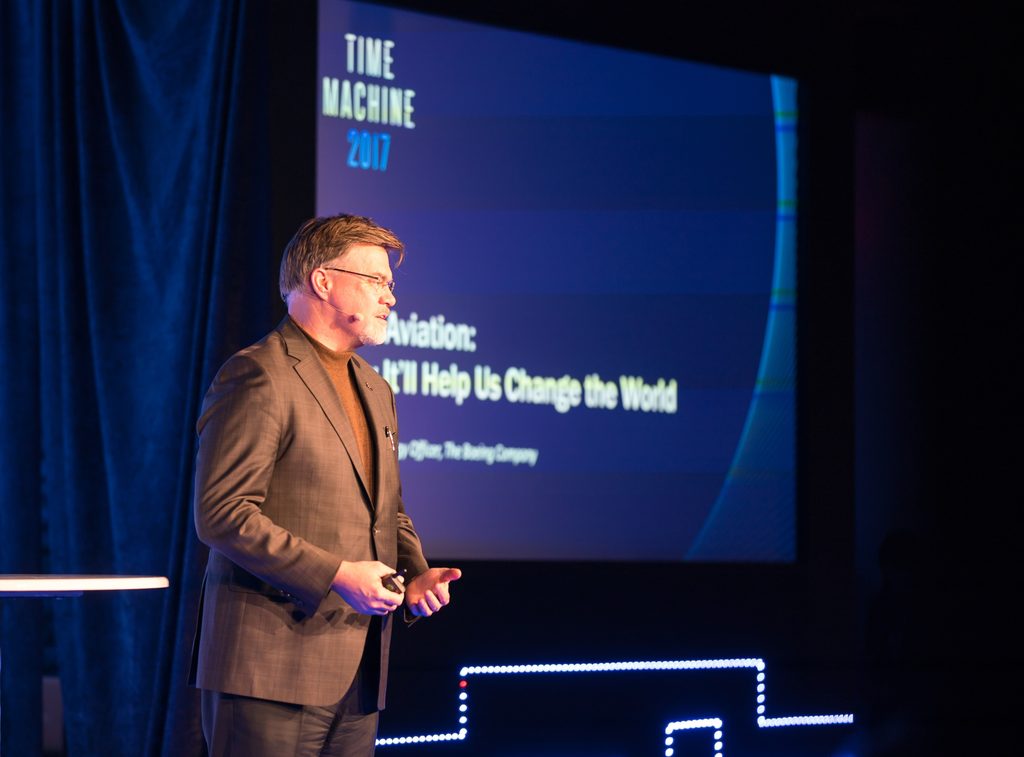
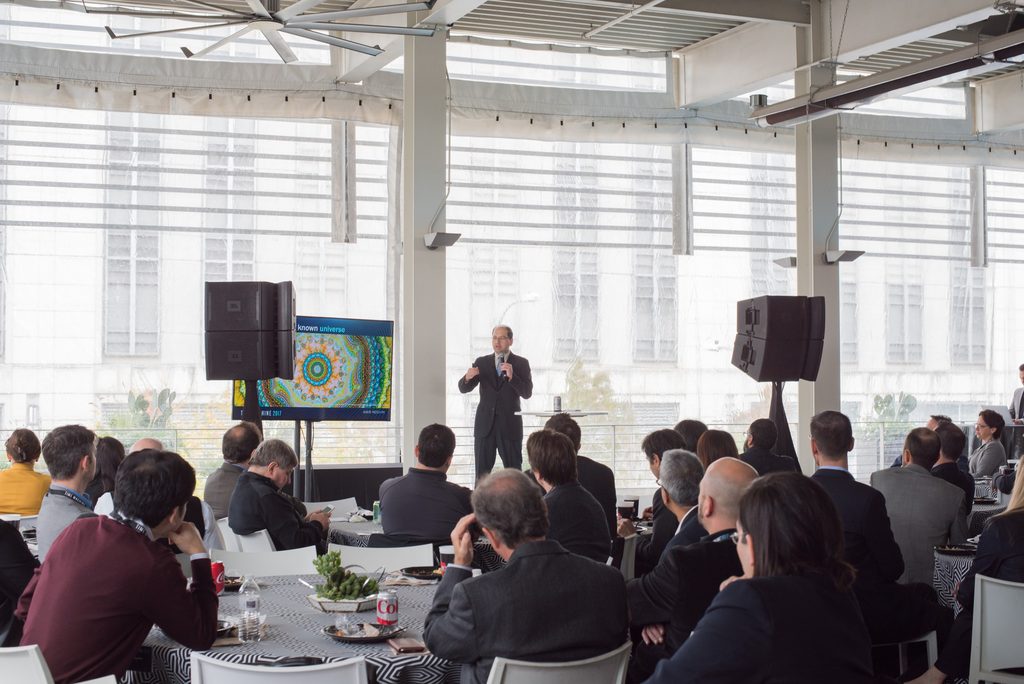
Dr. Greg Hyslop, SVP and Chief Engineer of Boeing, led us through the changing face of transportation, with the declaration that “We need to free ourselves from terrestrial transportation” and the economic inefficiency that is the automobile. At the same time, however, the increasing level of air traffic necessitates AI in the cockpit to maintain the current high standards of safety in air travel.
Dick Foster from McKinsey & Company spoke about the need for innovation and AI technologies in healthcare, in which he suggested that it’s time to rethink the industry structure.
General John Allen, USMC (ret.), in a fireside chat with Amir Husain, shared thoughts on the future of warfare and elaborated on the nature of Hyperwar. The discussion focused on how to develop systems and capabilities that would be ready “to fight the battles of 2030 and beyond.”
Paul Miller – better known as DJ Spooky–gave a fascinating presentation on AI, music, and how, in his words, “The collision of code and culture is driving the new digital economy.”
Prof. Bruce Porter provided attendees an overview of the history of AI. He pointed out that early AI researchers were psychologists at heart, trying to use computers to understand cognition. Today’s systems are “idiot savants” that excel at solving a specific problem (usually using correlation), but can miss constraints that are obvious to a human (for example, if bleach and milk were accidentally combined, AI might say the mixture would be safe to drink after removing the bleach). Finally, he looked to the future of long-term AI that is constantly learning, and the promises it might bring.
Prof. Peter Stone of UT Austin, who specializes in robotics, showed several examples of his work with the champion robot soccer team. In his search to build a complete agent that can improve with experience and interact with other agents, he has gained insight into reinforcement learning, such as how the many robots roaming through the halls of his lab have learned to respond to different variations of “take me to Peter’s office.”
Soma Somasundaram of Dover Energy took to the stage to discuss IIoT (Industrial Internet of Things), declaring that “IIoT enabled by AI is arguably the most important future technology.” He pointed out that AI benefits from human input and ability to dream, and this collaborative intelligence can lead to “extraordinary possibilities” like allowing a well engineer to optimize an entire well site, not just individual processes.
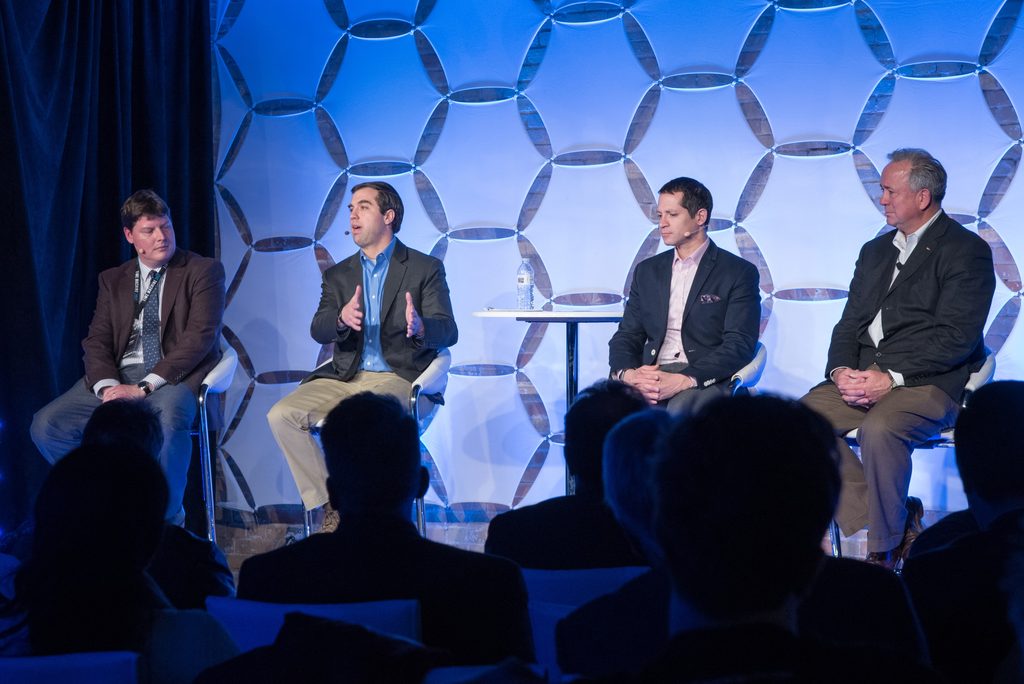
Andy Timm of PTC, John Mansfield of GE Aviation, and Mobeen Khan of AT&T lent their thoughts to how the new technology created immense opportunity—with thoughtful adoption. They discussed challenges like what to do with all the data being collected from industrial systems. Mansfield pointed out that an airplane has 25,000 sensors with 45 TB of data! How companies get access to the right data to make an impact is all important. Heads nodded as Khan said, “You can build the right systems, but unless you change the way you work, it won’t be useful.”
And these were just a few of the amazing speakers who shared insights with attendees at Time Machine 2017.
Photographs